Health and Safety Policy for Carpet Cleaners SW10
 This health and safety policy sets out the standards expected during carpet cleaning work, with the aim of protecting staff, clients, visitors, and anyone affected by our activities. It applies to every stage of the job, from preparation and cleaning through to drying and post-service checks. Carpet cleaners SW10 operate in a range of homes and business premises, so a consistent and responsible approach is essential. The policy is based on a clear principle: work must be carried out safely, with risk awareness built into every task.
All carpet cleaning operatives are expected to follow safe working practices and use suitable equipment for the task. Good housekeeping is vital, as clutter, wet floors, trailing cables, and unsuitable products can create avoidable hazards. The company expects employees and contractors to take reasonable care of their own health and safety, as well as that of others. This means reporting hazards quickly, using equipment correctly, and stopping work if conditions become unsafe.
As a professional carpet cleaning service, we recognise that cleaning work can involve manual handling, chemical exposure, electrical equipment, and slippery surfaces. The purpose of this policy is not only to reduce accidents, but also to support high-quality results through well-managed working methods. Safe systems of work help ensure that carpets are cleaned effectively without causing damage to property or harm to people.
Before starting any job, operatives should assess the work area and identify hazards such as fragile flooring, uneven surfaces, trip risks, pet activity, or poor ventilation. A simple site check helps carpet cleaners SW10 decide whether additional controls are needed. Where relevant, furniture should be moved carefully, pathways kept clear, and warning measures used to indicate that floors may be damp or under treatment.
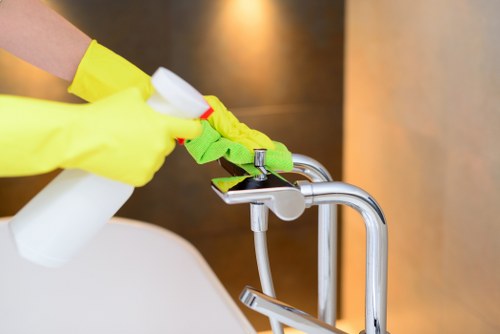
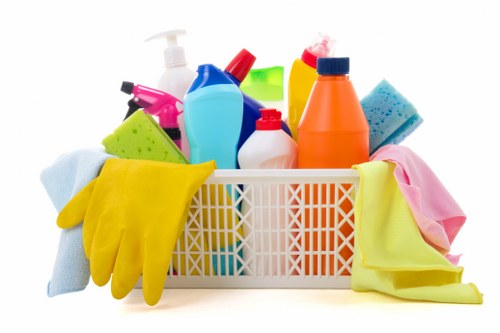
Personal protective equipment, or PPE, must be used where required. This may include gloves, protective footwear, and eye protection depending on the chemicals and methods in use. The choice of cleaning products should be appropriate for the carpet fibre and stain type, and products must be stored, diluted, and applied in line with manufacturer instructions. Never mix chemicals unless specifically authorised, as dangerous reactions can occur.
 All electrical equipment, including extraction machines and extension leads, must be visually checked before use. Cables should be positioned to avoid trip hazards and kept away from water where possible. If equipment appears damaged or behaves unusually, it must be removed from service immediately. Carpet cleaners SW10 should only use machinery that has been maintained properly and is suitable for the environment in which it is being operated.
 Manual handling is another important part of this policy. Moving furniture, lifting equipment, and transporting water containers can cause strain or injury if done incorrectly. Staff should use safe lifting techniques, request assistance for heavier items, and avoid twisting while carrying loads. Where practicable, mechanical aids or two-person handling should be used. Musculoskeletal safety is a priority because repeated strain can affect long-term health and productivity.
Ventilation and chemical safety must also be considered. Some cleaning solutions may produce fumes or irritate the skin and eyes. Operatives should ensure rooms are ventilated as far as practical while cleaning is underway and after completion. Spills must be cleaned immediately using suitable absorbent materials, and containers must be securely closed after use. In all cases, the product label and safety data should guide safe handling. Protective measures should be adjusted to the risk presented by each product.
Fire safety is part of everyday health and safety management. Flammable products, overheating equipment, and overloaded sockets can all increase risk. Carpet cleaners SW10 must keep work areas orderly, avoid leaving powered equipment unattended where it presents a hazard, and follow local fire procedures when working in commercial settings. Any suspicion of overheating, smoke, or burning smell should lead to immediate shutdown and escalation.
Infection control and hygiene are also essential, particularly when working in occupied buildings. Staff should wash or sanitise hands regularly, avoid touching the face unnecessarily, and clean equipment between jobs when there is a risk of cross-contamination. Protective clothing should be changed or cleaned when contaminated. If waste materials are produced, they must be disposed of responsibly and in line with site rules and general waste practices.
Training and supervision support this policy. New starters should receive instruction on equipment use, chemical handling, emergency procedures, and hazard reporting before working independently. Refresher training should be provided when methods change or if an incident highlights the need for improvement. Competence is a key control measure: a well-trained carpet cleaning team is better able to recognise risks and respond appropriately.
Accident and incident reporting is mandatory. Any injury, near miss, damage, or unsafe condition must be recorded and reviewed so that corrective action can be taken. This includes slips, chemical splashes, equipment faults, and any event that could have caused harm. Learning from incidents helps strengthen controls and prevent recurrence. Managers should review reports regularly and make improvements where needed.
 Emergency arrangements must be clear and understood by all workers. In the event of a serious spill, electrical fault, fire, or injury, the immediate priority is to make the area safe and obtain appropriate assistance. Staff should know how to isolate equipment, leave the area if required, and communicate the problem promptly. Where first aid is needed, a trained person should respond in accordance with the workplace emergency plan.
This policy will be reviewed periodically to make sure it remains effective, practical, and aligned with current working methods. Changes in equipment, products, or job types may require updates to procedures. Carpet cleaners SW10 are expected to support a culture of continual improvement by following the rules, raising concerns, and contributing to safer working practices. Safety is a shared responsibility and forms part of professional service quality.
 By following this policy, the business aims to protect people, preserve property, and maintain reliable standards across every carpet cleaning assignment. Safe practice is not separate from good service; it is a fundamental part of it. Through careful planning, proper equipment use, and consistent attention to risk, carpet cleaners SW10 can deliver effective results while keeping health and safety at the centre of their work.