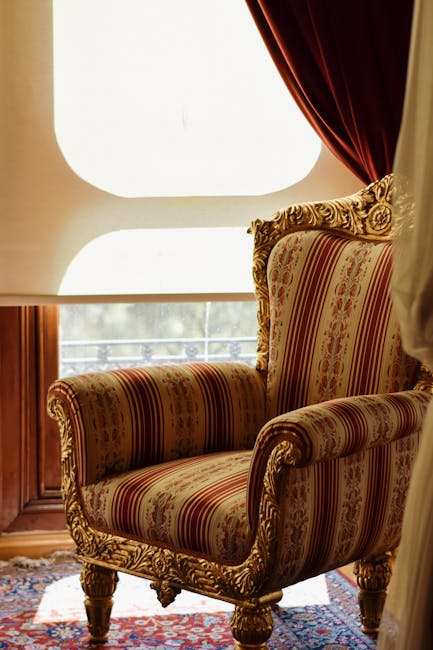
Royal Brompton Hospital upholstery cleaning experts: a practical guide to safer, cleaner, longer-lasting fabrics
If you are looking for Royal Brompton Hospital upholstery cleaning experts, you probably need more than a quick wipe-over. You need careful, dependable cleaning that respects busy clinical environments, avoids unnecessary disruption, and helps upholstery stay presentable for longer. In a place where visitors, patients, staff, and contractors all share space, even a small spill or persistent odour can feel like a bigger issue than it looks.
That is where a specialist approach makes sense. Upholstered chairs, waiting-room seating, visitor benches, office sofas, and fabric panels all collect dust, body oils, drink marks, and everyday grime. Left alone, those marks settle in. Cleaned badly, they can spread, reappear, or damage the fabric altogether. This guide explains what professional upholstery cleaning involves, why it matters near a hospital setting, and how to choose a sensible service without overcomplicating the job. To be fair, upholstery cleaning sounds simple until you are the one trying to get a stubborn stain out of a pale armrest at 4:30 on a Tuesday.
Why Royal Brompton Hospital upholstery cleaning experts Matters
Hospital upholstery has a harder life than most people realise. Chairs in waiting areas get used constantly. Fabric on reception seating gets touched by dozens, sometimes hundreds, of hands. Staff rest areas, administrative spaces, consulting rooms, and visitor lounges all build up the sort of everyday contamination that is not dramatic, but is very real.
Royal Brompton Hospital upholstery cleaning experts matter because hospital environments need a more thoughtful cleaning standard than domestic furniture. The goal is not just visual improvement. It is also about reducing build-up, controlling odours, protecting the fabric structure, and using the right methods for the material in front of you. That might sound obvious, but there is a big difference between cleaning a living-room sofa and cleaning upholstery in a busy medical setting.
In practical terms, the right cleaning support helps with:
- appearance in public-facing spaces
- day-to-day hygiene support
- fabric lifespan and reduced wear
- odour control in enclosed rooms
- better first impressions for patients and visitors
- more consistent upkeep between deeper cleans
It also reduces the temptation to use harsh products as a quick fix. Many people try that first. Then the stain blooms, the colour shifts, or the fabric gets stiff. Not ideal.
How Royal Brompton Hospital upholstery cleaning experts Works
Professional upholstery cleaning is not one single method. Good cleaners assess the fabric type, the construction, the level of soiling, and any local restrictions before choosing the treatment. That is especially important in a hospital-adjacent or healthcare-focused environment where access, timings, and safety all matter.
A careful process usually starts with inspection. The cleaner identifies the upholstery material, checks for labels or care instructions where available, and looks for visible staining, abrasion, or weak seams. Then comes dust removal and spot treatment, followed by the main cleaning method. Depending on the fabric, this may involve low-moisture cleaning, extraction, specialist stain work, or controlled steam-based methods if appropriate.
If you want to understand how upholstery care fits alongside other cleaning needs, it can help to look at related services such as professional upholstery cleaning, sofa cleaning, and targeted stain removal. In larger sites, upholstery care often sits alongside deep cleaning or broader commercial cleaning schedules.
Here is the key point: the best cleaner chooses the method that suits the material, not the other way around. A delicate fabric may need a much gentler process than a robust synthetic waiting-room chair. One method across all furniture? That is where trouble starts.
Key Benefits and Practical Advantages
There is a practical side to upholstery cleaning that gets overlooked. Yes, it improves appearance. But in a setting linked to a major hospital, consistency, risk reduction, and ease of maintenance matter just as much.
1. Better presentation in high-use areas. Clean upholstery makes a room feel calmer and more cared for. You notice it immediately, even if you do not consciously think about it.
2. Less lingering odour. Fabric holds smells. Drinks, body oils, food, outdoor pollution, and general room use can all leave a background odour that slowly becomes the norm. A proper clean helps reset that.
3. Longer fabric life. Ground-in dirt acts like fine grit. It wears fibres down gradually. Removing it sooner usually means furniture lasts longer and looks better for longer.
4. Fewer emergency spot-cleaning moments. Staff are not left trying random cleaning sprays on a Friday afternoon. That alone is a relief, honestly.
5. Better scheduling and less disruption. A planned service can be fitted around quieter hours, which is especially useful in a busy hospital setting where movement, noise, and drying times all matter.
6. More confidence in public-facing rooms. People do judge by appearances, even when they mean not to. A clean chair makes a room feel orderly.
| Cleaning approach | Best for | What to expect | Watch out for |
|---|---|---|---|
| Light maintenance clean | Regular upkeep, visible dust, mild marks | Quick refresh, minimal downtime | May not remove deep staining |
| Low-moisture upholstery clean | Busy rooms where drying time matters | Controlled cleaning with less saturation | Needs the right technique for the fabric |
| Extraction or deep clean | Heavier soiling and embedded residue | More thorough clean and stronger reset | Longer drying and more planning |
| Specialist stain treatment | Spills, dye transfer, food marks, body-fluid-related incidents | Targeted treatment before or after main clean | Results vary by stain age and fabric type |
Who This Is For and When It Makes Sense
This kind of service is useful for anyone responsible for upholstery in or around a healthcare environment. That includes facilities teams, office managers, landlords, department heads, and anyone trying to keep shared seating in respectable condition without overreacting to every small mark.
It makes sense when the furniture is:
- visibly dull or patchy
- marked with drink spills, hand oils, or food residue
- holding onto odours that do not shift with basic cleaning
- part of a visitor-facing room that needs to look presentable
- due for routine maintenance after a busy period
- made from a fabric that should not be scrubbed casually
It also makes sense after refurbishment work, moving furniture back into place, or if a room has been used heavily for a stretch of time. If the area has seen building dust too, it may be worth combining upholstery care with after builders cleaning so fine dust does not settle back onto freshly cleaned fabric the next day.
For domestic settings near SW10, it can overlap with house cleaning or domestic cleaning. For workplaces, consider office cleaning alongside upholstery care, because chairs and meeting-room seating often age faster than people expect.
Step-by-Step Guidance
If you are booking or managing upholstery cleaning, a clear process makes everything easier. Here is the practical version.
- Identify the furniture and fabric type. Leather, microfiber, wool blends, synthetics, and textured fabrics all behave differently. If in doubt, do not guess. Guessing is how fabrics get upset.
- Check the condition. Look for tears, loose stitching, colour fading, old stains, and sensitive seams. A good cleaner should notice these before starting.
- Clear the area. Remove portable items, paperwork, cushions where appropriate, and anything that could get damp or in the way.
- Test the method first. A discreet patch test helps reduce the risk of colour transfer or fibre damage.
- Pre-treat problem spots. Specific stains usually need targeted attention before the full clean.
- Clean using the right moisture level. Over-wetting is one of the biggest avoidable mistakes. It can lengthen drying time and bring soils back to the surface.
- Extract or lift residue where needed. This step helps remove dirt rather than simply moving it around.
- Allow proper drying. Good airflow matters. So does a realistic timetable. Rushing this part is rarely wise.
- Inspect the result. Check seams, armrests, backs, and lower panels. Stains often hide there.
- Set a maintenance rhythm. A one-off clean is fine, but a sensible routine usually works better over time.
One little reality check: if a stain has been there for months, it may improve but not vanish completely. That is normal. Honest expectations are part of good service.
Expert Tips for Better Results
The difference between decent results and genuinely good results often comes down to small choices. Here are a few that matter more than people think.
- Act on spills early. Blot gently, do not rub. Rubbing drives the spill deeper and spreads it wider.
- Keep a fabric log. For larger sites, a simple note of what was cleaned, when, and by which method is surprisingly useful.
- Use the least aggressive method that works. There is no prize for using the strongest chemical. Quite the opposite.
- Plan around occupancy. Cleaning before a busy clinic day is a bit awkward if chairs are still damp at opening time.
- Pay attention to odour as well as appearance. Sometimes a fabric looks fine but still needs attention.
- Coordinate with other services. Upholstery cleaning often works better when paired with carpet cleaning or window cleaning during a broader refresh, because dust and residue travel.
And yes, sometimes the best tip is a boring one: keep people from eating over the good chairs. It sounds obvious, but there it is.
Common Mistakes to Avoid
Most upholstery damage comes from hurried decisions, not dramatic disasters. That is the tricky part. A few wrong moves can do more harm than the original stain.
- Using the wrong cleaner for the fabric. Some products are too alkaline, too wet, or too harsh for delicate materials.
- Scrubbing aggressively. This roughs up fibres and can push the stain outwards.
- Skipping a patch test. Especially risky on coloured or mixed-fibre upholstery.
- Ignoring drying time. Upholstery that stays damp too long can smell stale or attract fresh dirt.
- Trying to remove every stain with one round of treatment. Repeated light treatment is often safer than one heavy-handed attempt.
- Forgetting the surrounding area. If the room itself is dusty, the furniture will look tired again quickly.
One more thing: not every mark is a stain. Sometimes it is wear, shading, or fibre distortion. A good cleaner should say so plainly instead of pretending otherwise.
Tools, Resources and Recommendations
You do not need a van full of gadgets to understand what quality upholstery cleaning looks like, but it helps to know what is usually involved. That way, you can ask better questions and avoid vague answers.
Common professional tools and supplies may include:
- fabric-safe pre-treatment solutions
- microfibre cloths and controlled agitation tools
- low-moisture extraction equipment
- specialist stain removers for specific marks
- air movers or planned ventilation for drying
- protective pads and floor coverings in tight spaces
For planning purposes, it is also worth checking pricing and quotes early so you can compare scope, not just headline numbers. A quote that looks cheaper may exclude stain treatment or drying support, which changes the real value quite a bit.
If safety paperwork matters for your team, pages like insurance and safety and health and safety policy are sensible to review before any booking. For service terms, you may also want to read the terms and conditions.
In a hospital-linked environment, simple, well-managed tools beat flashy ones every time. Clean, safe, repeatable. That is the sweet spot.
Law, Compliance, Standards and Best Practice
When upholstery cleaning takes place in or around healthcare premises, best practice matters. That does not mean every job becomes a compliance exercise, but it does mean the work should be planned with care, proper training, and sensible risk awareness.
In the UK, cleaning providers are generally expected to work safely, use products appropriately, and keep clear procedures for staff and clients. For hospital-adjacent work, that usually means paying attention to access arrangements, infection-control expectations set by the site, manual handling concerns, and the need to avoid creating slip hazards or lingering moisture in public spaces.
Useful best-practice principles include:
- clear communication before arrival
- risk assessment of the work area
- appropriate product selection for the fabric
- controlled use of water and chemicals
- safe cord management and equipment positioning
- good drying and re-entry planning
- respect for privacy and operational disruption
For customers, the practical takeaway is simple: ask how the cleaner handles fabric testing, drying, insurance, and safety. If they answer clearly, that is a good sign. If the answer sounds like a shrug, maybe not.
It can also help to understand how a provider presents its wider standards. Pages such as about us, recycling and sustainability, and privacy policy can tell you a lot about how carefully a company thinks through its work beyond the cleaning itself.
Options, Methods, or Comparison Table
Not every upholstery job needs the same treatment. The right choice depends on the fabric, the urgency, and how much downtime you can tolerate.
| Option | Strengths | Limitations | Best used when |
|---|---|---|---|
| Routine maintenance clean | Fast, simple, low-disruption | Not designed for deep staining | Furniture needs a freshen-up |
| Spot treatment only | Good for isolated incidents | May not address overall dullness | One or two problem marks stand out |
| Full upholstery clean | More even and comprehensive result | Requires more time and planning | Furniture is visibly tired or heavily used |
| Combined room refresh | Best for larger resets and public areas | Needs coordination with other services | Multiple surfaces need attention together |
For broader premises work, upholstery cleaning may be paired with communal area cleaning, regular cleaning, or one-off cleaning. If the furniture is part of a more specialist setup, a service like commercial carpet cleaning can be part of the wider plan.
Case Study or Real-World Example
Here is a realistic example. A small waiting room with several upholstered chairs starts looking patchy after a few months of steady use. One chair has a coffee ring on the armrest, another has a faint grey build-up from repeated touch points, and the fabric overall just looks tired. Nothing dramatic. Just enough to make the room feel less cared for.
The sensible approach is to inspect the fabric, test an inconspicuous area, treat the visible spots, then clean the chairs using a method that keeps moisture controlled. While the chairs dry, the room is ventilated and kept out of use where possible. A few hours later, the room looks calmer. The coffee mark is lighter, the greying is reduced, and the furniture no longer feels like it needs an apology.
That is usually what good upholstery cleaning does best. It does not have to be theatrical. It just quietly resets the room. And that can make a bigger difference than you expect, especially in a healthcare setting where people are already on edge.
In a nearby admin office, the same process might be used on task chairs or a visitor sofa, while a wider tidy-up could also include office cleaning and hard floor cleaning. The exact mix depends on the room, of course, but the principle stays the same: clean the whole environment, not just the obvious mark.
Practical Checklist
Use this checklist before booking or carrying out upholstery cleaning near Royal Brompton Hospital.
- Identify the fabric type and any care label information.
- Check whether the item is lightly soiled, heavily marked, or odour-affected.
- Confirm access times and any site restrictions.
- Decide whether you need spot treatment, a full clean, or both.
- Ask how long drying is likely to take.
- Make sure the cleaner uses fabric-safe methods.
- Move valuables, paperwork, and fragile items away from the work area.
- Plan for airflow and re-entry after cleaning.
- Check whether the service also covers stain removal or odour treatment if needed.
- Keep a note of what was cleaned and when, especially for regular maintenance.
Expert summary: the best upholstery cleaning is careful, method-matched, and realistic about fabric limits. It improves appearance, supports hygiene, and protects the life of the furniture without trying to force a miracle out of a delicate material.
Get a free quote today and see how much you can save.
Conclusion
Royal Brompton Hospital upholstery cleaning experts are about more than making chairs look nicer. They help keep shared spaces fresher, reduce avoidable wear, and bring a calm, cared-for feel to rooms that see a lot of daily use. In a busy hospital environment, that matters. A lot more than people sometimes realise.
The best results come from matching the method to the fabric, planning around the room's use, and treating cleaning as part of a wider maintenance routine rather than a last-minute rescue mission. If you do that, upholstery tends to stay cleaner, smell better, and last longer. Simple, but effective.
And if you are trying to choose a provider, focus on clarity, safety, and practical experience. Those are the details that usually tell the real story. A clean room can feel like a small thing. Then you walk in and notice the whole atmosphere has shifted. Funny how that works.
Frequently Asked Questions
What do Royal Brompton Hospital upholstery cleaning experts actually clean?
They typically clean upholstered seating such as chairs, sofas, benches, visitor seating, and fabric-covered furniture used in public, staff, or support areas. The exact scope depends on the fabric and the room setup.
Is upholstery cleaning safe for delicate fabrics?
It can be, provided the cleaner tests the fabric first and uses an appropriate method. Delicate materials often need lower-moisture or gentler treatment rather than heavy saturation.
How often should hospital upholstery be cleaned?
That depends on use. High-traffic waiting areas may need more frequent attention than low-use rooms. A sensible maintenance schedule usually works better than waiting until everything looks obviously dirty.
Can upholstery cleaning remove old stains?
Sometimes, yes, but not always completely. Older stains can penetrate deeper into fibres or set over time. A good cleaner should explain likely outcomes honestly before starting.
Does upholstery cleaning help with odours?
Yes, often it does. Fabric can hold smells from spills, body oils, and general use. A proper clean can reduce or remove many of these odours, though severe cases may need specialist treatment.
How long does upholstery take to dry?
Drying time varies based on fabric type, cleaning method, ventilation, and room temperature. Low-moisture methods usually dry faster, while deeper cleaning may need longer. Planning for this is important.
Should upholstery cleaning be booked with other services?
Often, yes. In larger premises, it can make sense to combine it with carpet cleaning, communal area cleaning, or a broader deep clean so the whole space feels consistent.
What should I ask before booking a cleaning service?
Ask about fabric testing, the method they plan to use, drying times, insurance, access requirements, and whether they handle stain removal or odour issues. Clear answers are a good sign.
Can regular cleaning prevent the need for deep upholstery work?
Usually, yes to a point. Routine maintenance stops dirt from building up as quickly, which can reduce the frequency and intensity of deeper cleans later on.
Is it better to clean upholstery myself or use a professional?
For light surface care, you may manage basic upkeep. But for visible stains, delicate fabrics, or busy shared spaces, a professional is usually the safer choice. It is easy to make a small problem worse.
What if the upholstery is badly worn, not just dirty?
Cleaning may still improve the appearance, but it will not fix structural wear, faded patches, or damaged seams. A good provider should tell you where cleaning ends and replacement or repair begins.
How do I know if a cleaning company is trustworthy?
Look for clear information about safety, insurance, service terms, and complaints handling. Useful pages such as about us, insurance and safety, and complaints procedure help you judge how professionally the company operates.
Will upholstery cleaning disrupt patients or staff?
It should not, if it is planned properly. Good scheduling, careful access, and attention to drying time reduce disruption. In a hospital-linked setting, that kind of planning is not a nice extra. It is essential.
What is the best next step if I need help now?
Start with a clear assessment of the furniture, the fabric, and the level of soiling. Then request a quote and confirm the cleaning method before booking. Calm planning usually gets the cleanest result.